Fajol, farro and cured meats: food of the Garrotxa
Local flavoursGarrotxa food is about more than patates d'Olot and fesols de Santa Pau. I also like introducing visitors to ingredients that explain how farming families ate here: fajol, farro and traditional cured meats.
These were not originally created as fashionable restaurant products. They were part of everyday cooking, and their stories help explain the connection between agriculture, climate and food.
Fajol, the local buckwheat tradition
Fajol is the Catalan name for buckwheat, a crop traditionally grown in the Garrotxa.
Although buckwheat is used like a grain, it is not botanically part of the same cereal family as wheat.
It was ground into flour and used for straightforward meals, including farinetes de fajol, a thick porridge.
I find this history interesting because foods that are popular today were once important in the diets of farming households.
What are farinetes de fajol?
Farinetes are made by cooking flour until it thickens. Depending on the recipe, the mixture can be eaten soft or allowed to cool before being cut into pieces.
Every household may have had a slightly different preparation. The dish is associated with modest, practical cooking.
Today, buckwheat also appears in baked goods, desserts and contemporary recipes.
If you buy a product made with fajol, ask about its preparation and other ingredients.
Farro is not the same as fajol
This is an important distinction, especially for international visitors. Garrotxa farro is made from ground maize, not buckwheat.
Traditionally, people prepared thick soups or porridge using maize flour or meal, often with stock and other ingredients.
Different old varieties of maize have been used in the region, which helps explain variations in the colour of the product.
It is also worth noting that the word farro refers to other grains in some countries. In the Garrotxa, it has a particular local meaning.
How would I try farro?
Farro can be used in warm, creamy dishes and also in modern interpretations of traditional recipes.
I like how a simple ingredient can become a filling meal and carry the memory of everyday cooking.
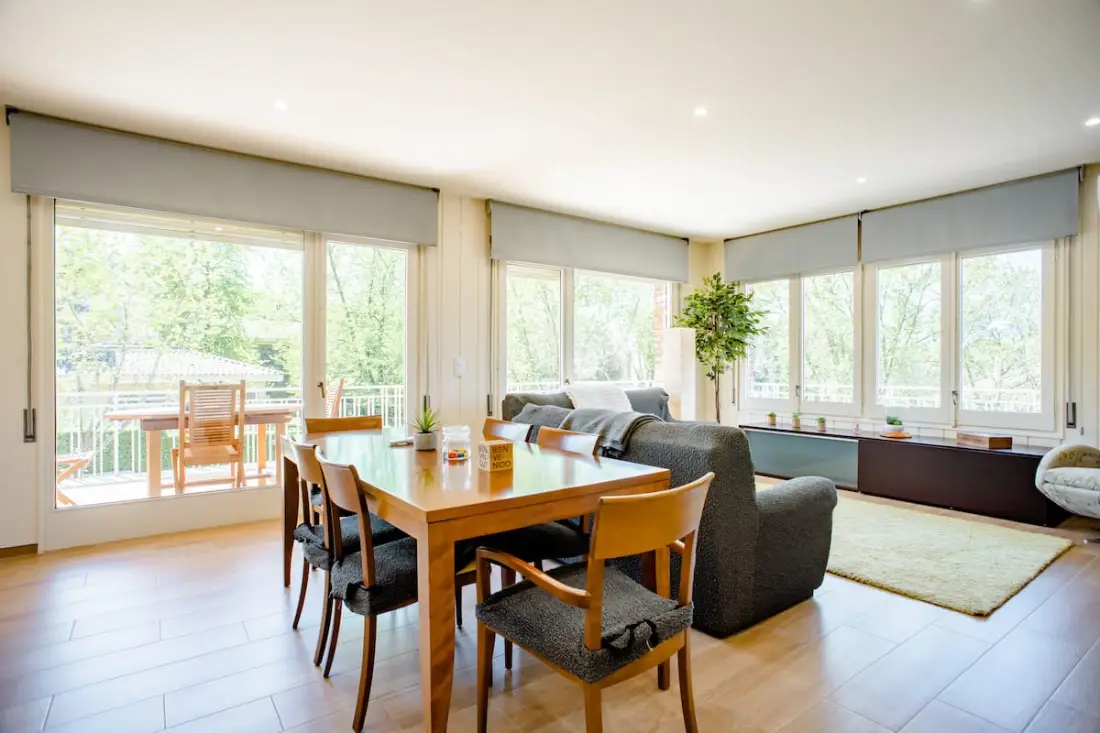
If you want to prepare it in your apartment, ask the producer for instructions. Cooking times and the amount of liquid depend on the type of milling.
I would begin with a simple recipe rather than attempt a complicated dish before understanding the ingredient.
Traditional cured meats
The Garrotxa also has a long tradition of pork products and charcuterie, with local butchers and producers playing an important role.
You may come across botifarra, botifarra del perol, llonganissa and other types of cooked or cured sausage.
Not all are eaten in the same way. Some can be served cold, while others are cooked or warmed as part of a dish.
Ask about storage instructions and ingredients, especially if anyone has allergies or dietary requirements.
Cheese and dairy products
Cheese and dairy foods are another part of the region's culinary culture.
Formatge Garrotxa is one familiar name associated with this tradition. It refers to a style of cheese and does not mean every producer is based in one town.
At a market or food shop, ask where each product was made and what kind of milk was used.
Seasonal vegetables and other locally grown produce can help complete a relaxed meal at your accommodation.
Where to find local products
Olot's Plaça Mercat is a good place to discover food from different producers and ask sellers about its origin.
The weekly Monday market is another opportunity if your visit falls on that day.
Follow food storage advice if you will be travelling by car with your purchases.
For more information, see my guide to the markets in Olot.
Food that tells a regional story
Fajol, farro and cured meats represent different ways of making the most of farming resources.
I would rather understand a handful of products than try to taste an endless list without learning anything about them.
You can also read my article on traditional Garrotxa food.
At Croscat 41, guests can buy regional ingredients and prepare a meal in the apartment. We also share a private guide with personal recommendations for discovering more of Olot.